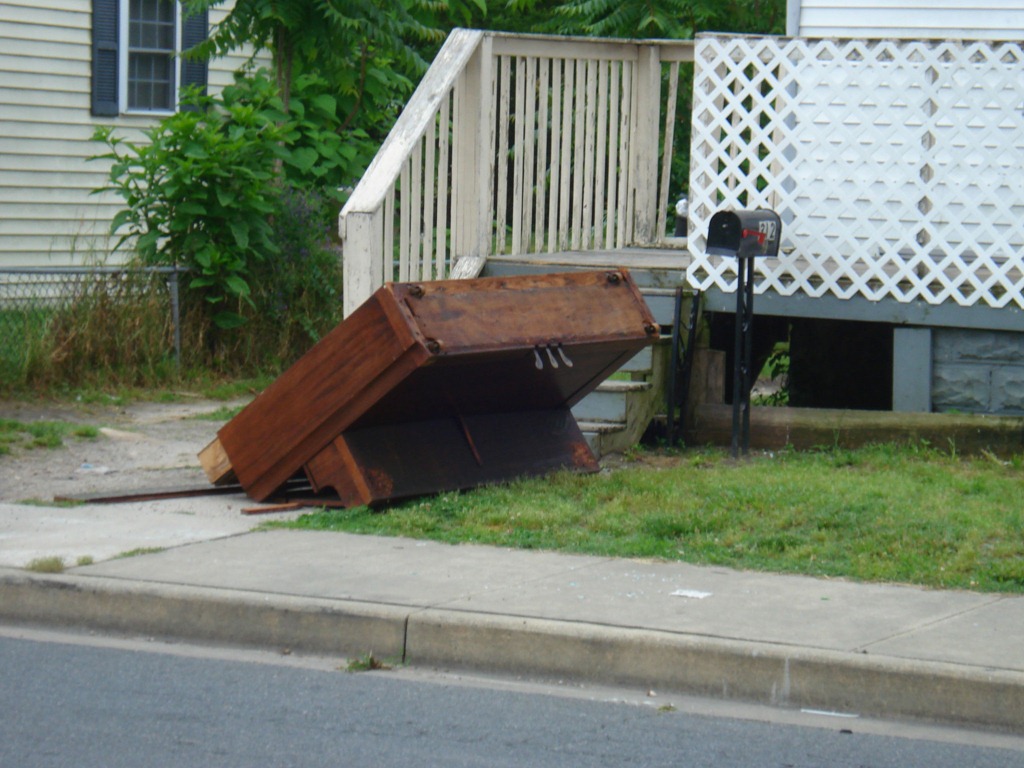
Driving through Salisbury and came across this poor old soul. Not sure if it was a failed move or just a “Don’t want it anymore and push it off the porch”. Either way… a sad end to a piano.
Driving through Salisbury and came across this poor old soul. Not sure if it was a failed move or just a “Don’t want it anymore and push it off the porch”. Either way… a sad end to a piano.
Summer’s over…..:(
We’re back to our normal operating hours
Mon-Fri 10-5
Sat 9-12
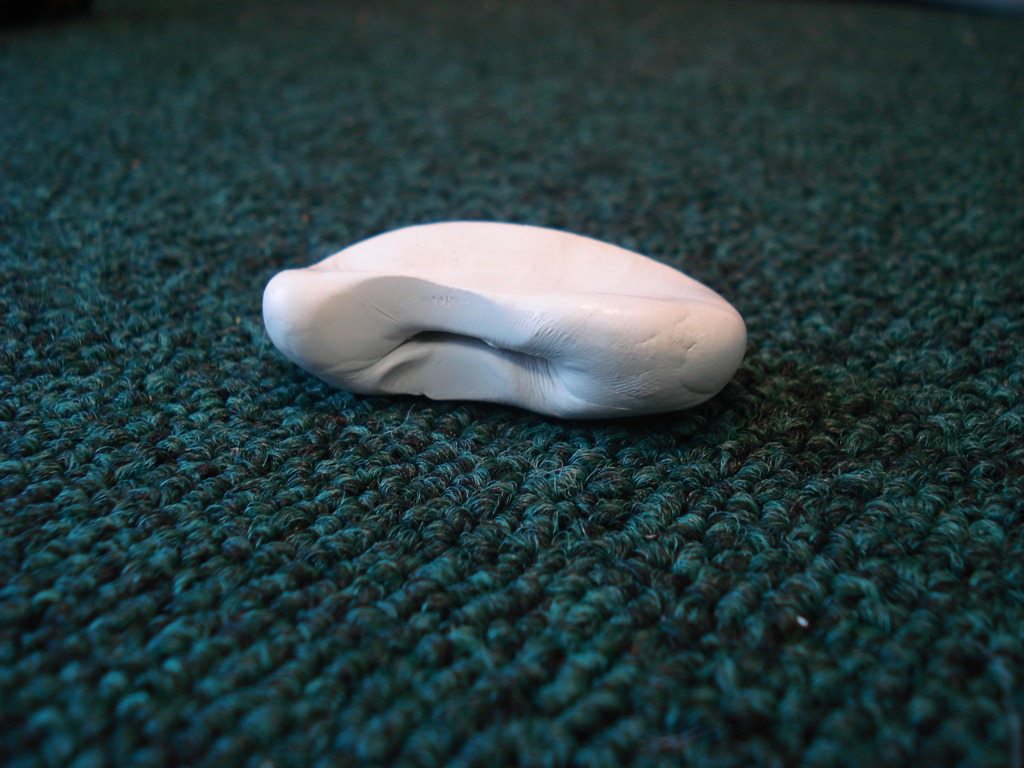
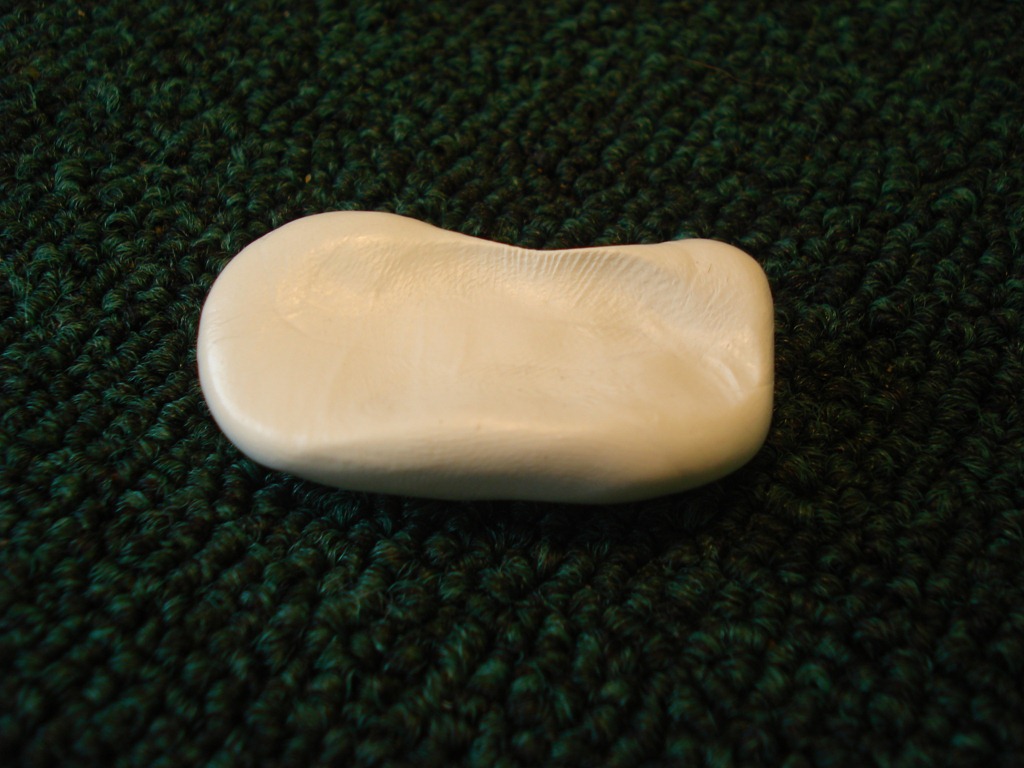
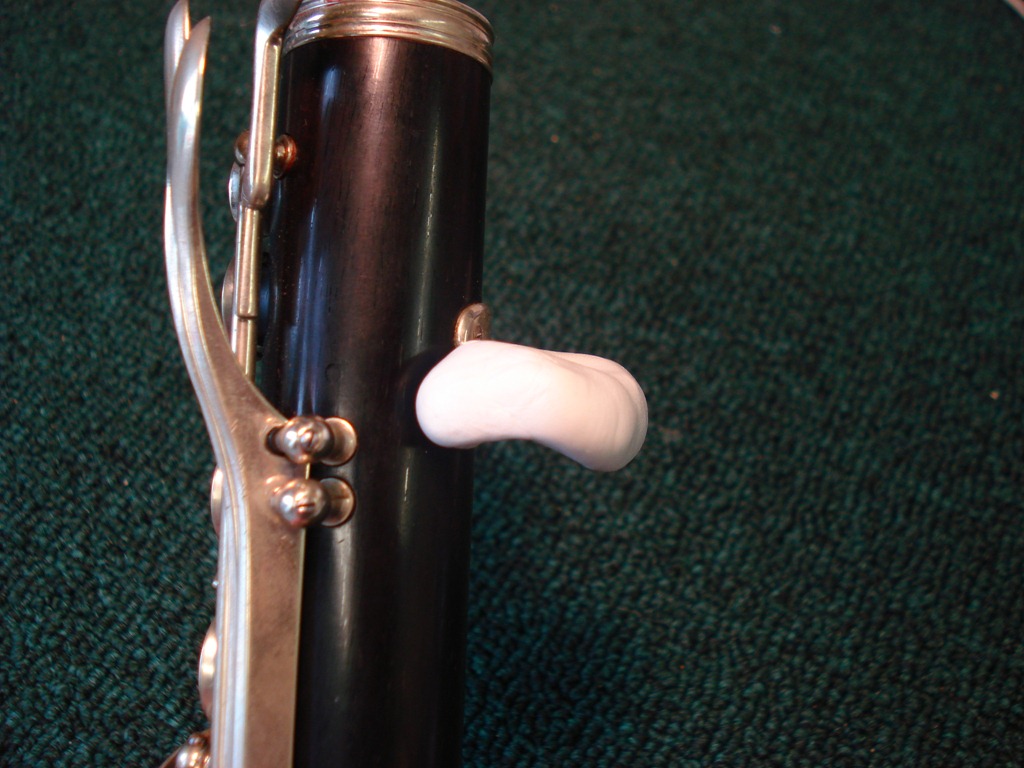
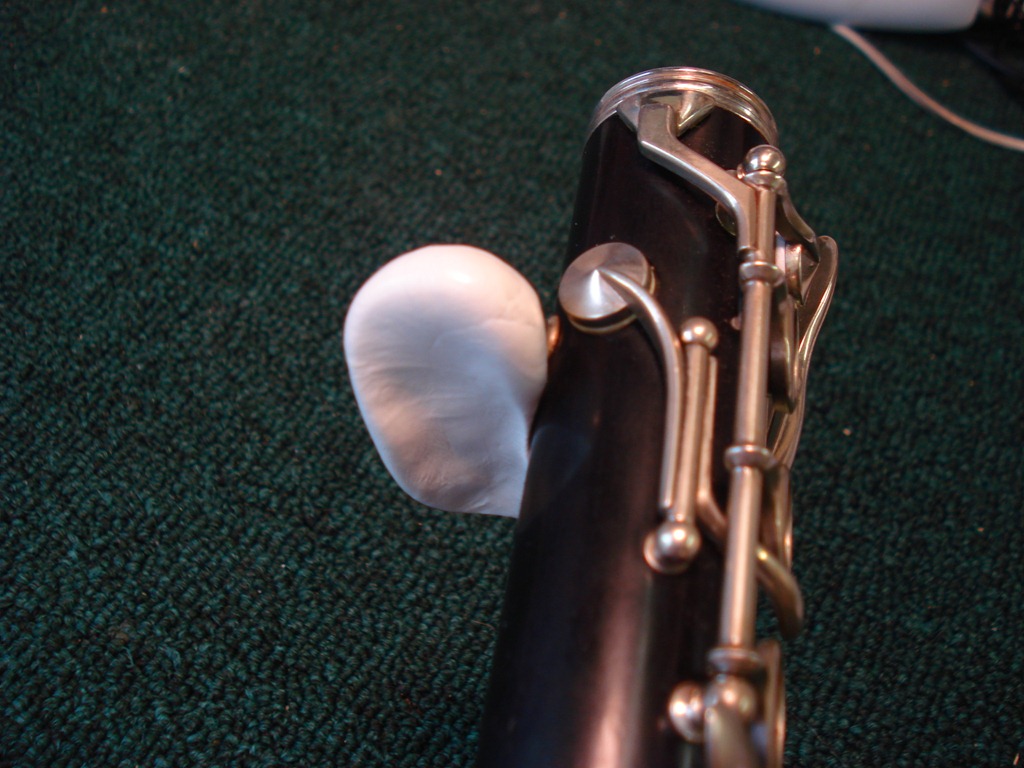
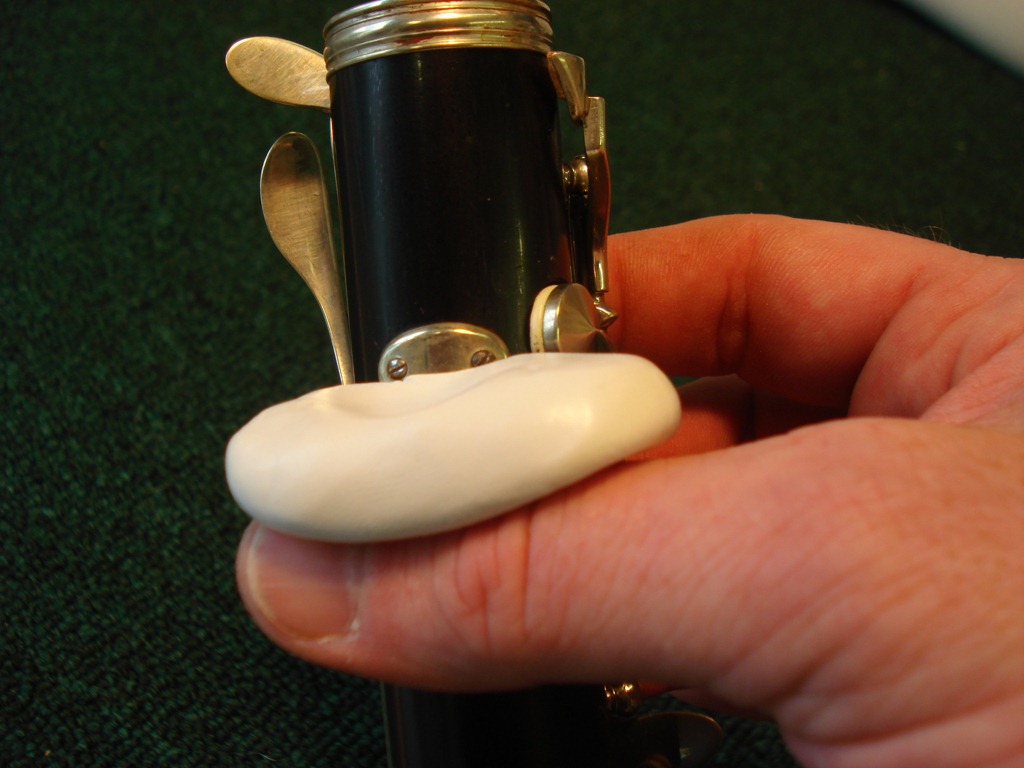
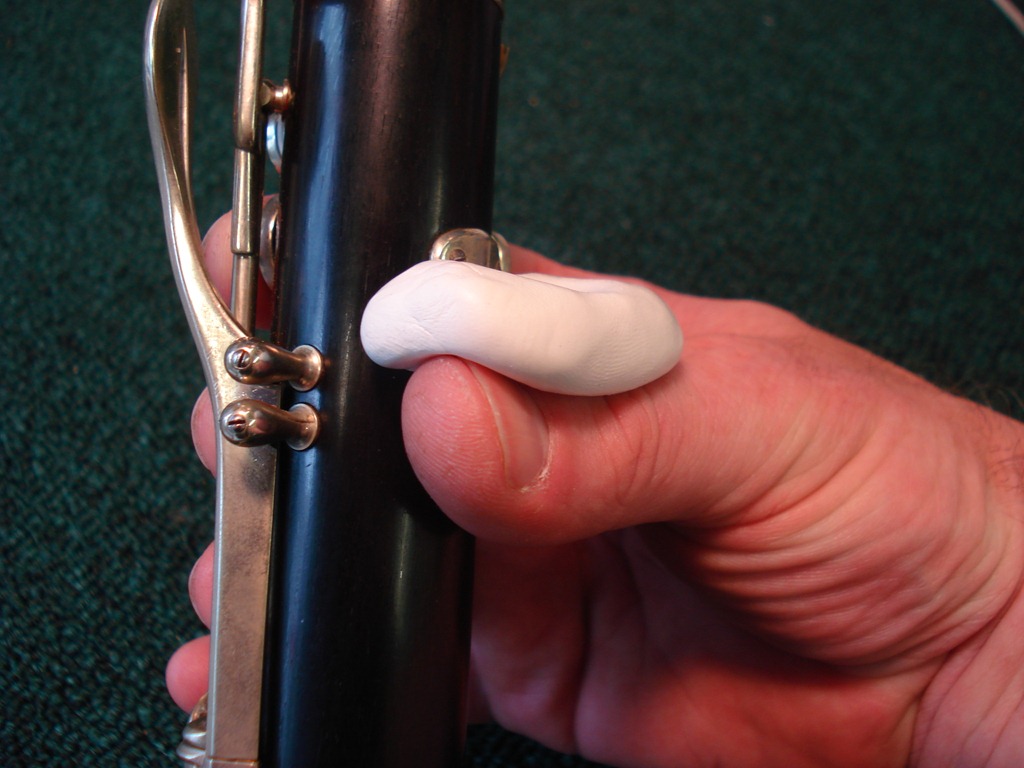
I have thumb problems, so playing clarinet for long periods of time tends to be uncomfortable. I molded this thumbrest “cushion” out of Jett Sett heat-moldable plastic. It slips right over the existing thumbrest so it can be easily removed.
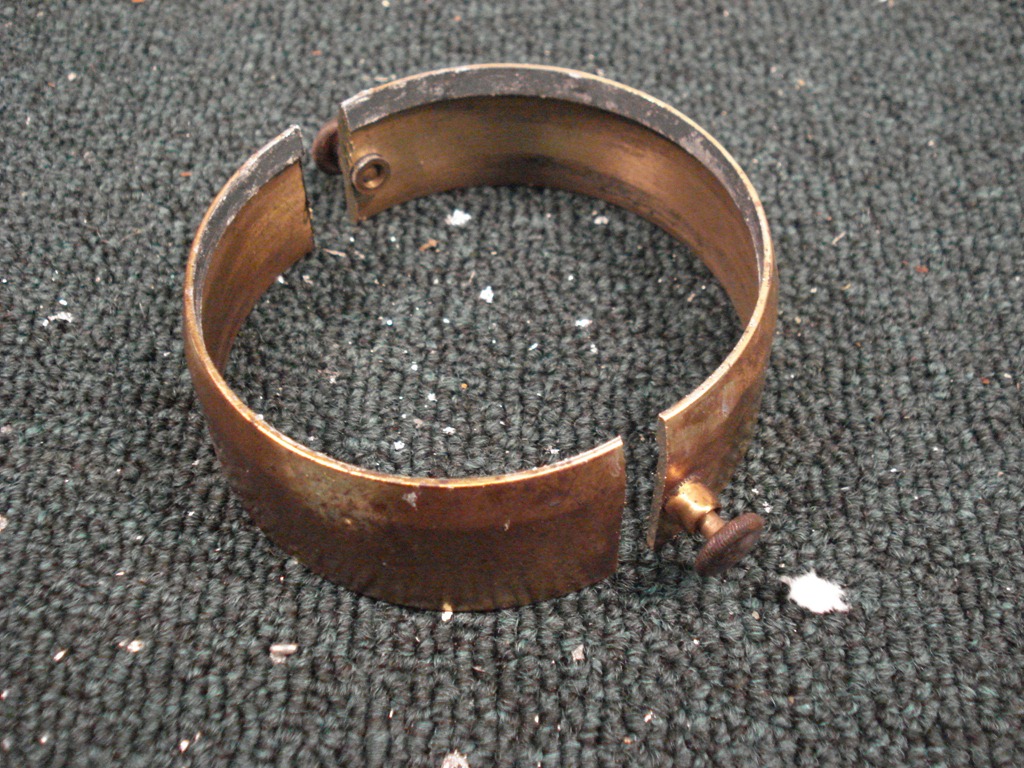
I had a bari sax come in with a missing brace. The part wasn’t readily available, so it was easier to fabricate one. I needed a think piece of brass, so a baritone bell ring from the “boneyard” became my starting point. After removing the bell ring, I’ve cut it in 1/2.

I’ve now thinned the piece down to the width I need.
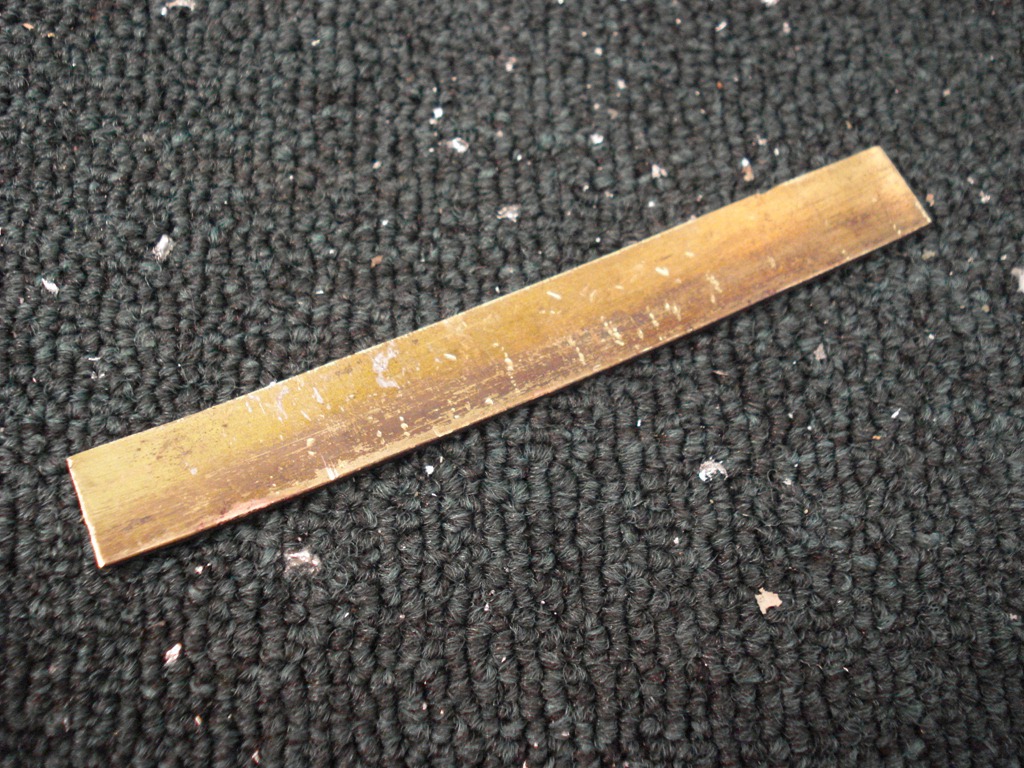
Flattened and cut to final size
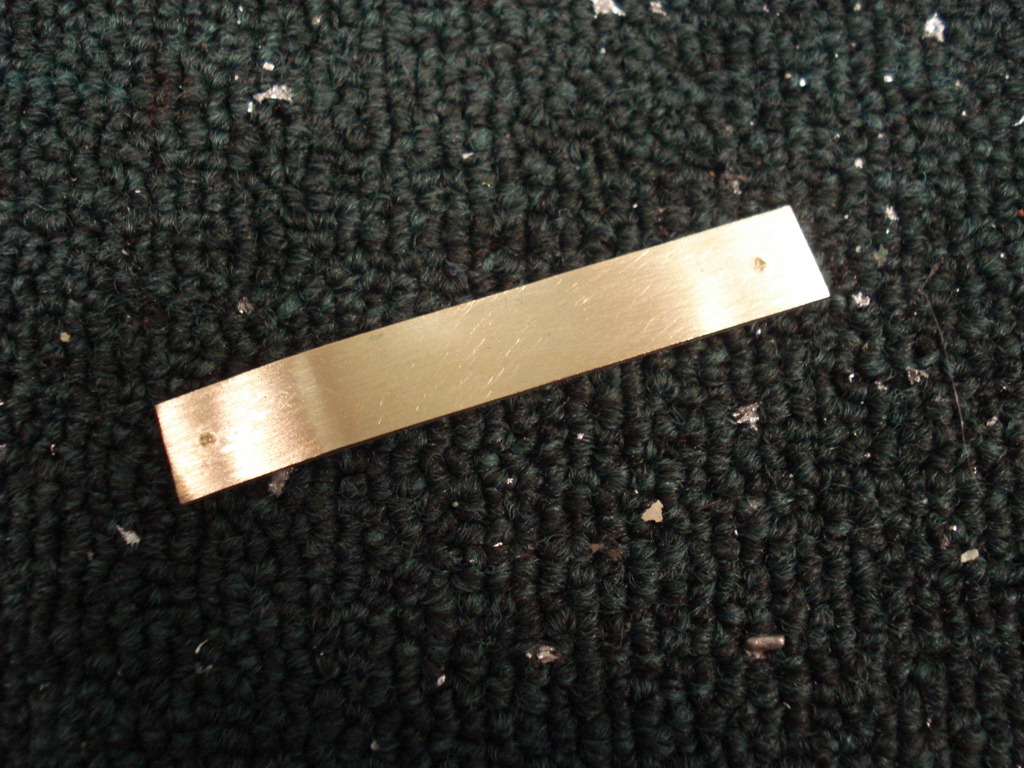
Polished, bend added, and holes ready to be drilled
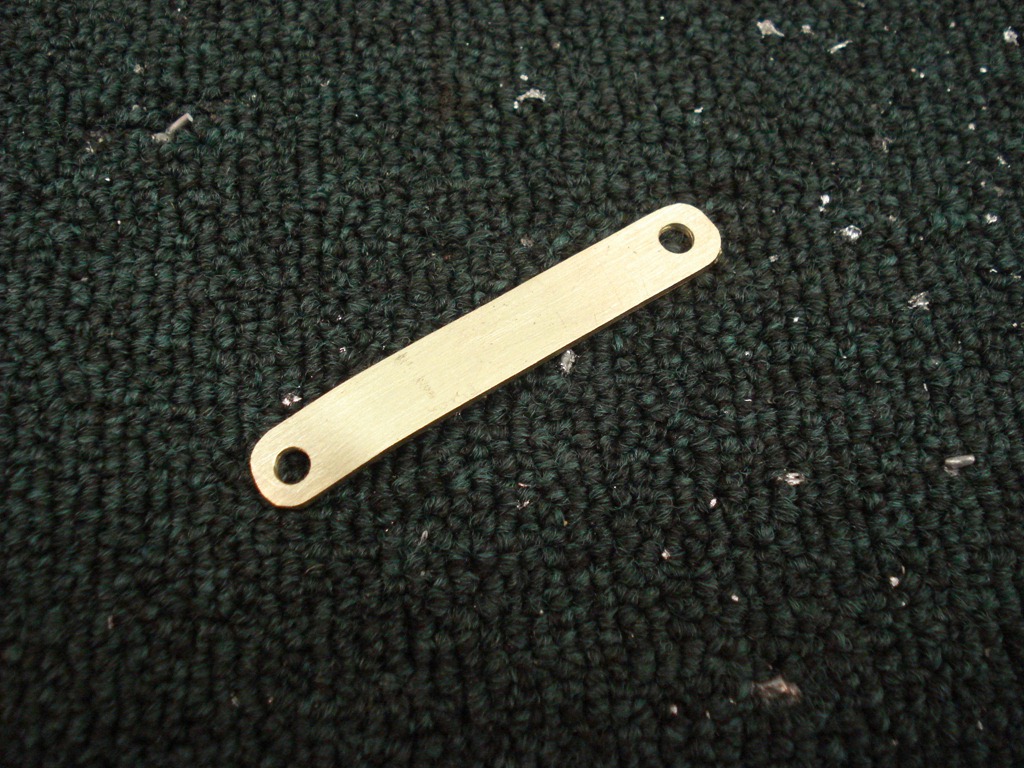
Holes drilled, and corners rounded off.
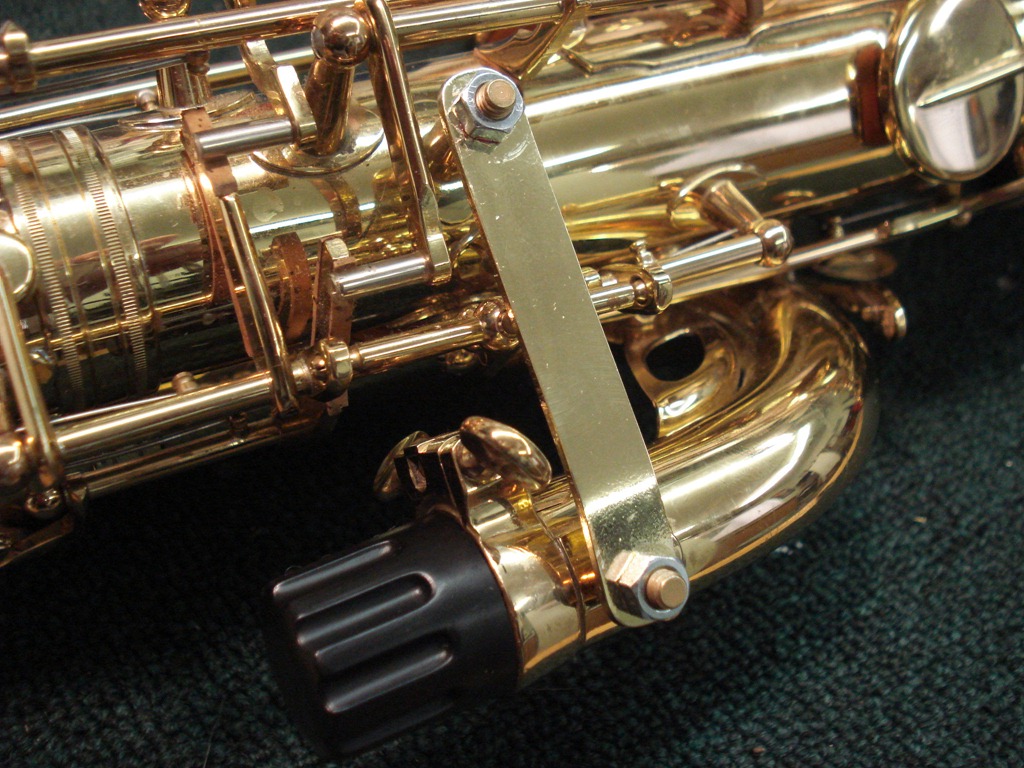
Installed on bari sax. I was striving for sturdiness and functionality. The original was certainly more ornate, but school systems typically don’t have the money for ornate. Nuts are LocTited on, so we shouldn’t have to worry about it coming off again.
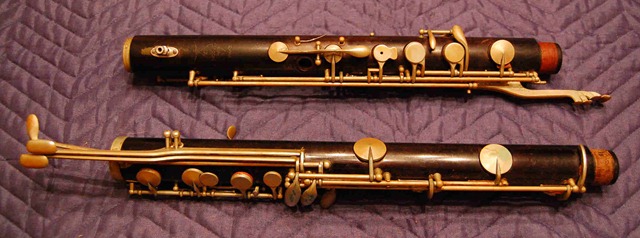
Noblet Bass Clarinet – I removed the Ab key to test some cleaning options
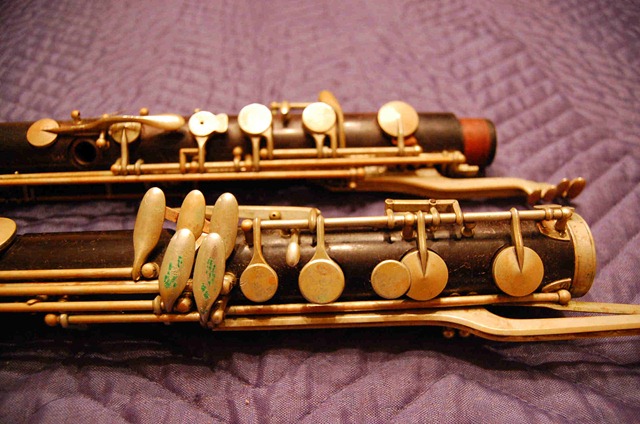

Ab Key after cleaning and polishing, in comparison to others
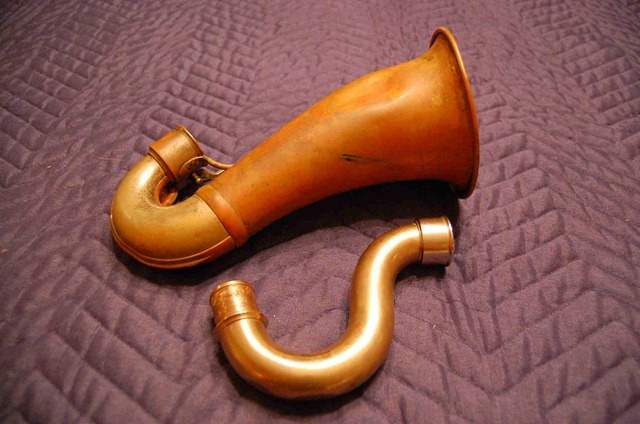
Neck was the same orange-brown color as the bell before cleaning

This is what is commonly referred to as a Banana Flute in the repair industry. Basically a flute that has been sat on and bent, making it look like a banana. Below are some before and after pictures from a recent flute brought in for repair. This particular Gemeinhardt was bent between the Thumb Bb key and the B Key.
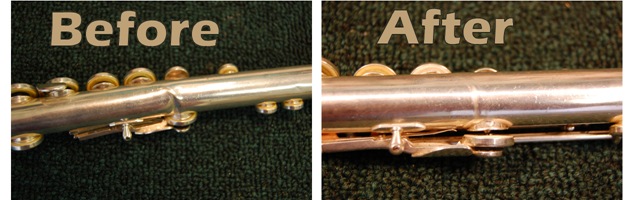
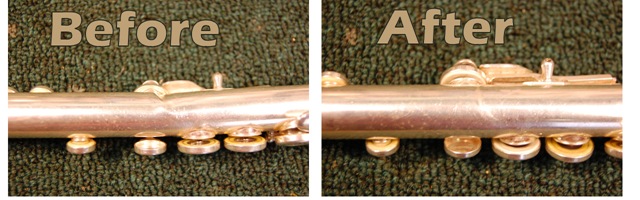
Several factors come into play on this type of repair.
You can still see where the “dents” were, when the metal stretches the silver-plate micro-fractures, leaving the “cloudy” appearance. The plating can be stripped and the instrument re-plated, but most customers don’t opt for that.
 Summer Hours
Effective June 1, 2009, Salisbury Music will be closed on Saturday’s. We will re-institute Saturday hours sometime in August, but we look forward to taking some much needed time off. For the summer our hours will be:
 Buffet Crampon
Showcasing Buffet Crampon woodwinds, Besson brass, and Antoine Courtois brass, the new Buffet Crampon New York Showroom will be celebrating its grand opening on Friday, June 5th from 2pm – 6pm at 160 W 48th Street, 4th Floor, NYC, 10036.

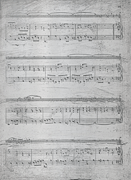 G. Henle Vertag no longer hand-engraves their printing plates as computer notation programs have advanced. However you can own a piece of history. G. Henle is selling their vast inventory of Lead Engraving Plates. Retailing for $91.00 each plate is unique, however, you CANNOT order a specific title. You get whatever they send.
 15% Music Teacher Discount on Most Music
Did you know that Music Teachers get a 15% discount on most music that we have in stock or order for you?
Plus we never charge shipping on orders we deliver by van to the school.
Stretch those budget dollars!!!
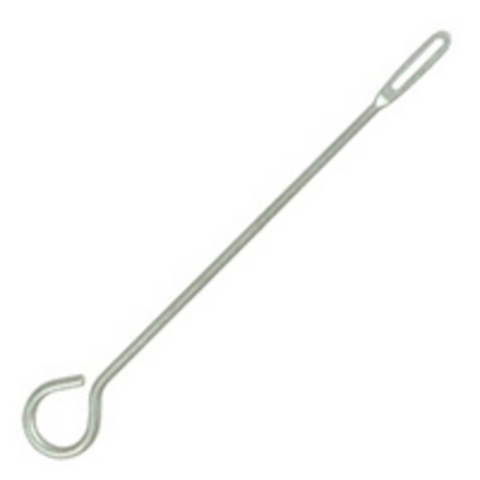
Trumpet Valve Cleaning Rod
Retail Price = $5.50
Normal BD Price = $4.40
OVER-STOCK PRICE = $2.99
While Supplies Last
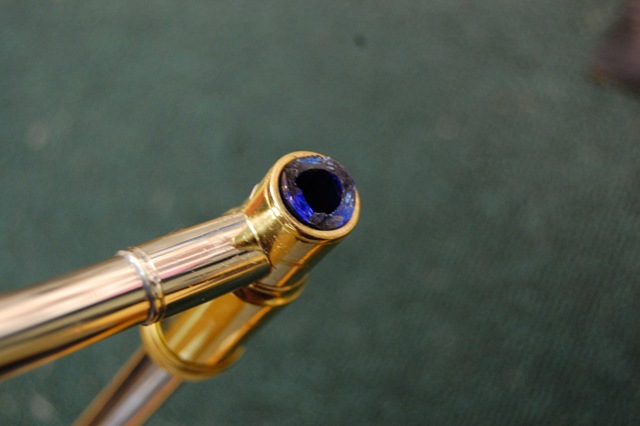 I’ve Never Seen
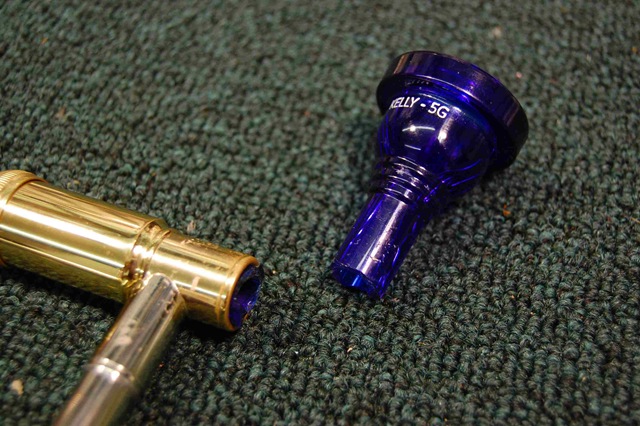
 Trombone comes in with a plastic Kelly Mouthpiece broken off in the mouthpiece receiver. Customer should be glad it was a trombone with a straight shot up the slide…a trumpet, baritone, tuba with limited or no access from the other end would have been MUCH harder to remove, which also meant it would have cost A LOT more t0 fix. Even with straight access on this trombone, I had to be EXTREMELY careful not to damage the tapered leadpipe in the receiver side of the outside slide.


 Summer Repair time is right around the corner. It’s hard to believe, but we (Salisbury Music) only have about 7 weeks from the end of school until summer band camps start, so, here’s some hints to make the process go smoother:
Evans S14H20 Snare Head
Retail Price = $18.95
Normal BD Price = $15.16
OVER-STOCK PRICE = $11.50
While Supplies Last
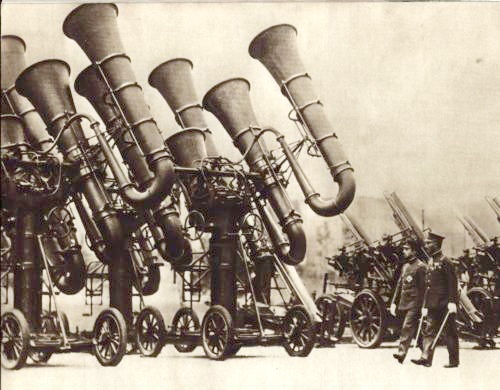
Japanese War Tubas – Actually a type of Acoustic Locator for detecting aircraft before the invention of Radar. (I don’t have a dent ball that big)
In my opinion, most band director repair kits have a lot of what you don’t need, and not much of what you do need. Here’s what I would put in a BD Repair Kit:
Jett Sett is a heat-malleable ceramic plastic. So, what does that mean? Basically I can heat up Jett Sett in hot water, form it into whatever shape I wish, then after use, it can be re-heated and used again and again. At room temperature, Jett Sett is hard as a rock, but heated up in hot water, Jett Sett has the consistency of modeling clay.
In the pictures below, I’m using Jett Sett to make a mold of the inside of a stuck tuning slide. After the Jett Sett hardens, I can then use a hammer to safely hammer the slide out. The mold provides equal support around the radius of the slide, preventing any damage to the slide itself. (Just a note, there’s a few things I’ve done to the slide to help loosen the corrosion prior to hammering out)

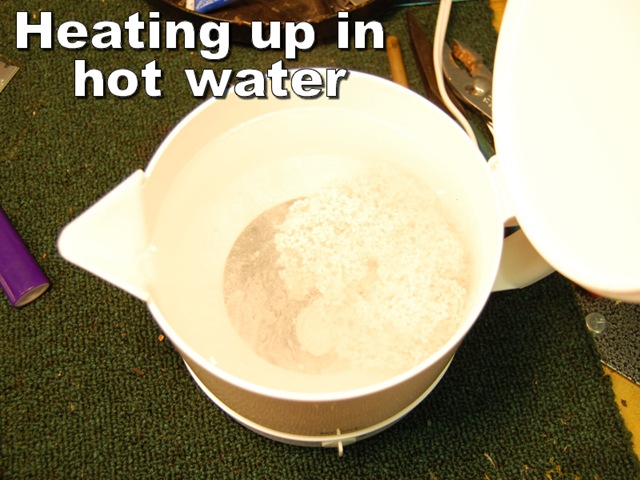


This is very cool stuff!

 DINKLES Shoes HOLD Prices for 2009
For those of you using the Vanguard, the Glide, or the Formal, Dinkles is holding price levels for 2009 at the same level as 2008, so Salisbury Music will hold prices on these shoes as well.
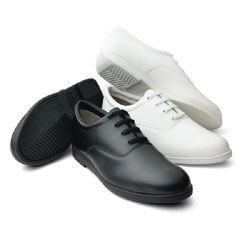 DINKLES are currently being used by :
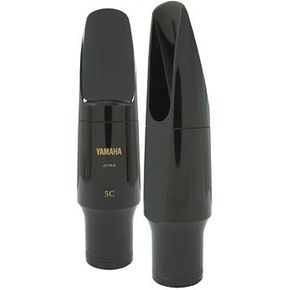
Retail Price = $59.95
Normal BD Price = $47.95
BLOWOUT PRICE = $39.99
Only One Available & MP Only
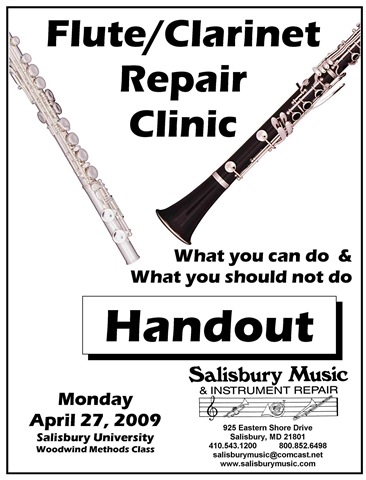 Flute/Clarinet Repair Clinic Recap
As I told you last week, I was invited to speak to the Instrument Methods Class at Salisbury University last week. I talked with the students about many aspects of repairing flutes and clarinets. At point’s I covered other instruments, but kept the talk mostly to the upper woodwinds. Below is the hand out I gave out. Feel free to download. It is a PDF file.
Download Clinic Handout
YIKES! 5 Valves no less!
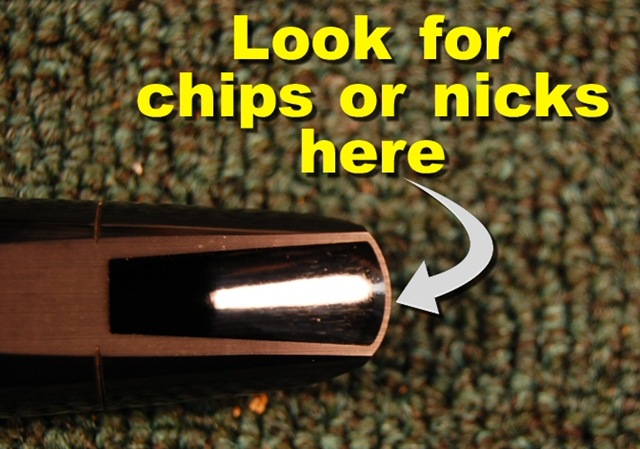
Ever have a clarinet or sax play GREAT one day, then almost totally not play the next day? One of the things I always check on clarinets and saxes is the condition of the tip of the mouthpiece. It is amazing how a small nick or chip in the tip of the mouthpiece can dramatically change the playing characteristics of an instrument. Mouthpieces get dropped, and often the result is a chipped or nicked mouthpiece tip. Chips or nicks in the rail(s), the flat sides running down to where the reed clamps on, can also have an effect, but not nearly as much as a nick in the tip. Solution? Unfortunately, replacement of the MP.
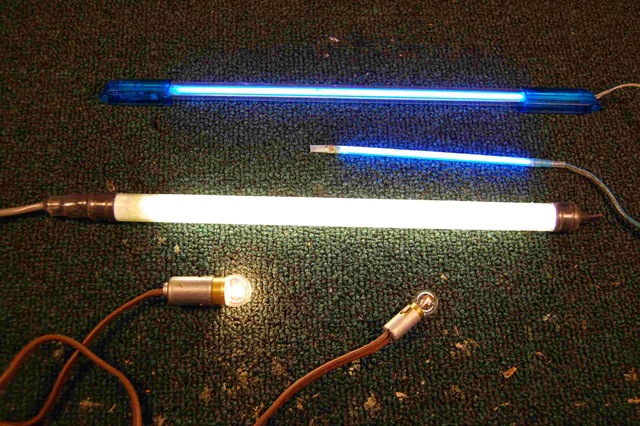
My collection of Leak Lights
Leak lights are used in woodwind repair to detect pad coverage problems. The light is inserted into the instrument, so that we can see where the pad is not properly covering the tone hole. Where light is leaking out, air will also leak out
Leak Lights

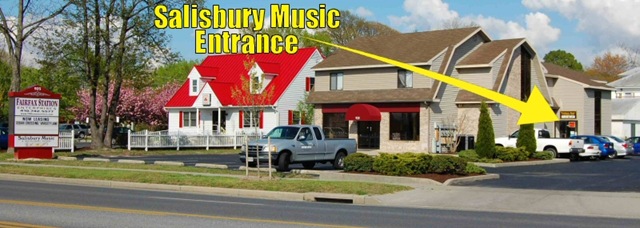
 Salisbury Music has a new sign out front. Our old sign was definitely showing it’s age, and ready for replacement or demolition. Our new landlord wanted a sign out front so they added us to the bottom of theirs. While it is smaller than our previous sign, it is now lit at night, so you lose some, you win some.
Below is a picture of what the whole store front looks like now, with our entrance on the right side.
Dead Stock Blowout
– Harmon Trumpet Mute
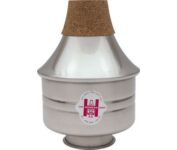
Retail Price = $49.95
Normal BD Price = $39.96
BLOWOUT PRICE = $29.99
Only One Available
 By the time most of you are reading this, I (Joel) will be conducting a flute/clarinet repair clinic for the Instrumental Methods Class @ Salisbury University. I’ll be talking to the potential new band directors about:
I’ll try and take some pictures and post here next week.
 This means a lot more to you than you realize. Gary was the son of the founder of Ferree’s Tools Inc.. Ferree’s Tools was one of the first companies in the USA designing and making tools and supplies for the Band instrument Repair Trade. Gary was a major designer and maker of many of the tools every BIR Shop uses everyday. Gary passed away after a long illness.
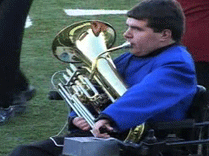 This is a (video) story of using adaptive technology and allowing a special needs student to play Euphonium using a joystick.
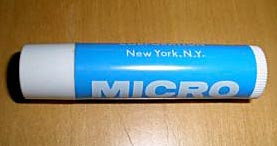 Can you use
Short Answer – YES
Long Answer – Still Yes, but let me explain. It is very possible to use too much cork grease in the lubrication of woodwind tenons and sax neck corks. Several problems arise from too much usage:
So, how often should you grease your corks? That depends on usage, age of the corks, and tightness of the corks. Basically I would rec0mmend when they need it, i.e., when they start feeling dry, or harder to put on.
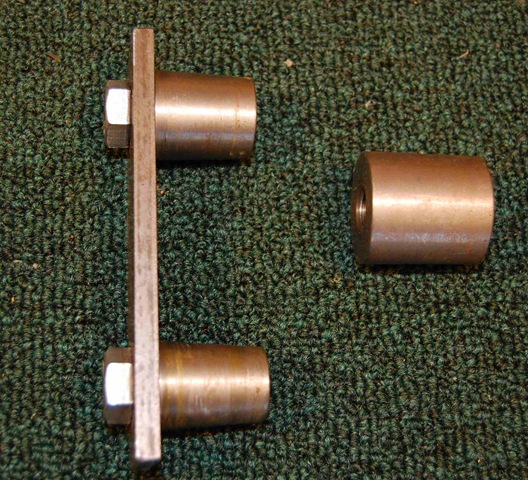

Sax bodies actually will bend quite easily, especially if dropped. As shown on the picture to the right , the tool is inserted into the neck socket of the sax, and (carefully) aligned so that the force applied will move the body in the direction necessary. Then the opposite end of the tool is “tapped” against the bench to properly align the body. The cool part is the keywork/rods typically go back into alignment as well. Sometimes we have to re-align some keys, but nothing significant typically. The 3 short pieces fit various size alto, tenor & bari’s, so we get a tight fit in the neck socket. The length of the metal bar part allows for clearance of the keywork over the bench while tapping. I don’t use it a lot, but when I need to…it works beautifully. (Sometimes the “tap” is actually a pretty significant “whack”, especially on larger saxes or more serious bends)
 Joel Smith Music